Mission
Transforming carbon into tangible industrial value.
Feynman Dynamics develops electrochemical systems that convert captured carbon into fuels, materials, and commercial-grade systems for practical deployment. We connect carbon capture, activation, and downstream application into one industrial pathway.
An integrated carbon utilization platform.
What We Build
-
High-performance MEA and modular cell stacks.
-
Scalable electrochemical reaction systems.
-
Verified product pathways for fuels and carbon materials.
-
Let fuels, materials, and technology reinforce each other instead of competing for attention.
From carbon burden to carbon utility.
How We Work
-
Application-Led: We design around real-world industrial specifications.
-
Seamless Integration: Systems engineered for turnkey, drop-in deployment.
-
End-to-End Value: Connecting carbon capture directly to downstream value.
-
A technical-commercial story that can scale across future categories.

01
CO₂ Capture
Carbon captured from atmospheric or industrial sources enters the conversion value chain through highly controllable, integrated purification systems.
02
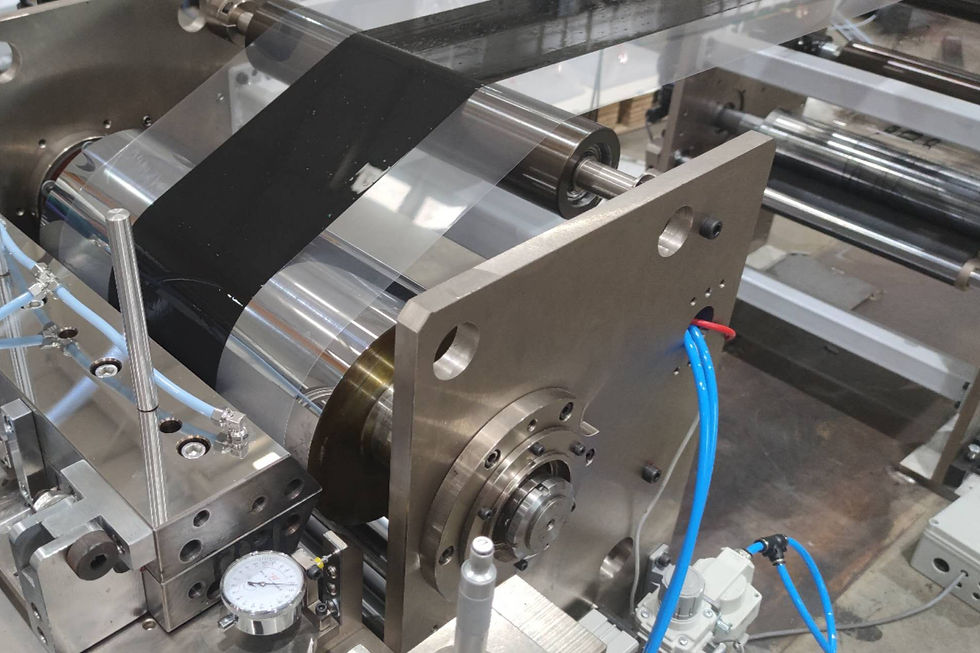
MEA Fabrication
Automated p manufacturing and automated inspection ensure membrane-electrode assemblies (MEAs) are highly consistent, scalable, and fully customizable.

03
CO₂ Electrolysis
Proprietary MEAs and cell stack systems efficiently convert captured carbon into critical molecules, engineered for modular, turnkey deployment.

04
Molecular Foundry
Activated carbon is transformed into advanced molecules and materials, turning scientific breakthroughs into commercial reality.
ECO-Fuel
eFuels built from power, water, and captured carbon feedstocks.
Fuel becomes a conversion problem that can be engineered. By pairing carbon capture with electrochemical activation and downstream synthesis, Feynman Dynamics creates an industrial-grade platform for turnkey, commercially viable e-fuel pathways. This end-to-end infrastructure provides global buyers with the ultimate certainty in supply security and project siting flexibility.
Flexible siting
Captured-carbon feed
Liquid-output compatibility

Aviation
ECO-SAF
A sustainable aviation fuel pathway engineered for high-density energy security and the long-term decarbonization of global aviation.
Marine + Chemical
ECO-Methanol
A clean, low-carbon liquid fuel route designed to accelerate shipping industry transitions and secure defossilized chemical supply chains.
System Deployment
ECO-Fuel Factory
A modular, scalable production architecture that directly converts captured CO₂ into deployable liquid fuels and intermediate molecules.
ECO-Materials
Transforming captured carbon into high-value chemical and industrial feedstocks.
Beyond low-carbon fuels, Feynman Dynamics scales electrochemical conversion into upstream chemistry, sustainable functional materials, and heavy-industry applications. We turn environmental liabilities into stable, performance-grade industrial inputs.
Lifestyle
Consumer Goods
Next-generation sustainable polymers and intermediates engineered for footwear, automotive interiors, and consumer applications—replacing fossil-based synthetics without compromising performance.
Chemistry
ECO-Molecules
High-purity, carbon-derived molecular building blocks that provide cleaner upstream synthesis routes for specialty chemicals and advanced materials.
Heavy Industry
E-CO in Metallurgy
Renewable carbon monoxide streams designed to defossilize traditional metallurgy and accelerate deep decarbonization in steel manufacturing workflows.


FD-Stack™
The stack behind the story.
FD-Tech is the enabling layer that turns the mission into a real operating system. It connects capture, MEA manufacturing, electrochemical conversion, and downstream molecular integration.
Workflow
Captured carbon moves through a visible industrial sequence.
The workflow is easiest to understand when the steps are explicit: source carbon, activate it electrochemically, shape molecules, and deploy outputs into real sectors.
01
Source
Capture carbon from ambient air or industrial emissions.
02
Activate
Use MEAs, stack architecture, and controlled electron transfer.
03
Build Molecules
Produce intermediates for fuels, chemistry, and material systems.
04
Deploy
Bring the outputs into aviation, shipping, manufacturing, and products.
Inputs
Captured carbon, renewable electricity, water, hydrogen management, and manufacturing know-how.
Outputs
Fuel pathways, carbon-derived molecules, material applications, and integrated electrochemical systems.